
Ensuring Compliance in Weighing and Packaging Processes
Ensuring Compliance in Weighing and Packaging Processes: A Keystone for Excellence
In the realm of manufacturing, the meticulous weighing and packaging of products stands as a crucial pillar of compliance and quality assurance. Ensuring adherence to these processes is not merely an obligation; it is a strategic imperative that safeguards consumer safety, maintains brand integrity, and drives business success.
Failure to comply with weighing and packaging regulations can lead to dire consequences. Inaccurate weights can result in consumer dissatisfaction, product recalls, and regulatory fines. Non-compliant packaging can compromise product integrity, leading to spoilage and potential health risks. Moreover, lax compliance can undermine customer trust and damage a company’s reputation.
Conversely, rigorous compliance fosters a culture of excellence and minimizes risks. It ensures that products meet regulatory specifications, reducing the likelihood of recalls and legal entanglements. By standardizing weighing and packaging processes, companies can enhance efficiency, optimize production, and minimize waste. Compliance also contributes to a seamless supply chain, eliminating disruptions and preventing costly delays.
Implementing a robust compliance program requires a multi-pronged approach. First, companies must establish clear and comprehensive Standard Operating Procedures (SOPs) that define every aspect of the weighing and packaging process. These SOPs should outline specific requirements for equipment calibration, measurement accuracy, packaging materials, and quality control procedures.
To ensure adherence to SOPs, regular training and certification programs for personnel are essential. Employees must be equipped with the knowledge and skills to perform their tasks accurately and consistently. Advanced technologies such as automated weighing and packaging systems can further enhance compliance by reducing human error and increasing process efficiency.
Robust quality control measures form the cornerstone of a comprehensive compliance program. Companies should implement rigorous inspection and testing protocols to verify the accuracy of weighing and packaging operations. Regular audits by external agencies can provide independent verification of compliance and identify areas for improvement.
Sustaining compliance requires ongoing monitoring and evaluation. Companies should establish key performance indicators (KPIs) to measure compliance levels and identify areas for continuous improvement. By analyzing data and identifying trends, they can proactively address potential compliance issues before they escalate.
Ensuring compliance in weighing and packaging processes is not simply a matter of meeting regulatory requirements; it is an investment in quality, safety, and business success. By implementing a comprehensive compliance program, companies can safeguard consumer trust, minimize risks, enhance efficiency, and maintain a competitive edge in the marketplace.


-
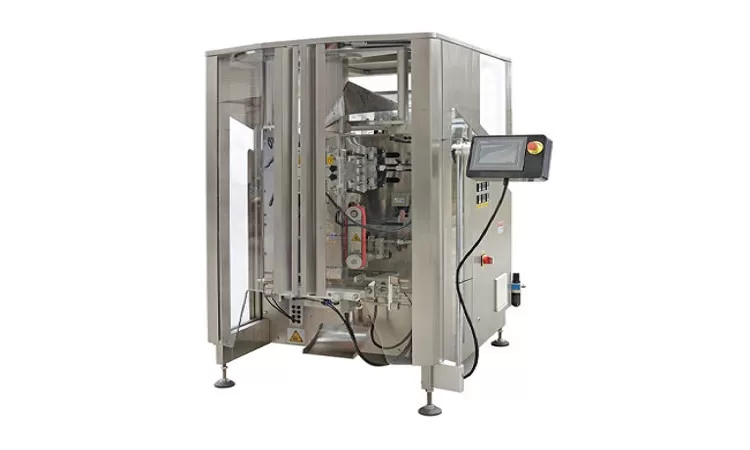
VFFS Equipment: The Ultimate Guide to Vertical Form Fill Seal Technology
13-03-2026 -
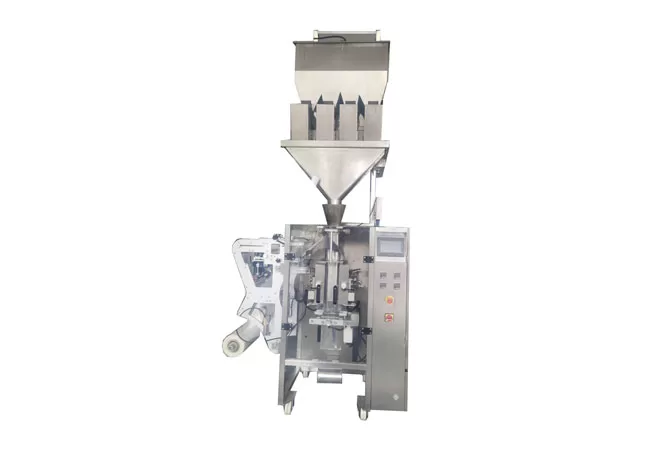
The Essential Guide to Weight Packing Machines for Precision Weighing
12-03-2026 -
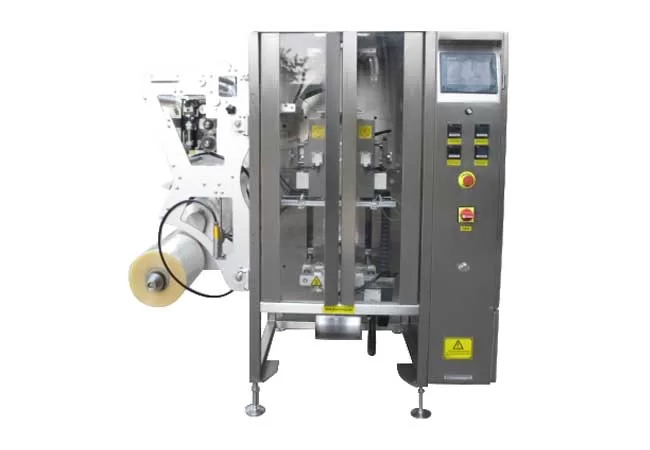
Power Packing Machine: The Ultimate Guide to Heavy-Duty Packaging Efficiency
11-03-2026 -

Weigher Packing Machine: The Definitive Guide to Precision Weighing & Packaging
10-03-2026 -
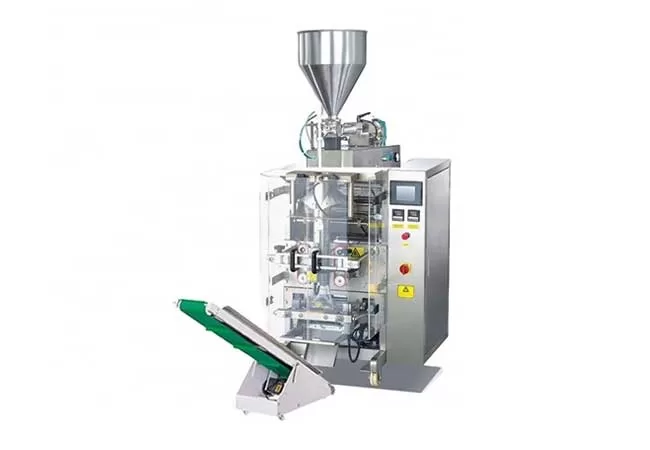
Auger Type Powder Filling Machine: The Ultimate Guide to Precision Packaging
09-03-2026 -
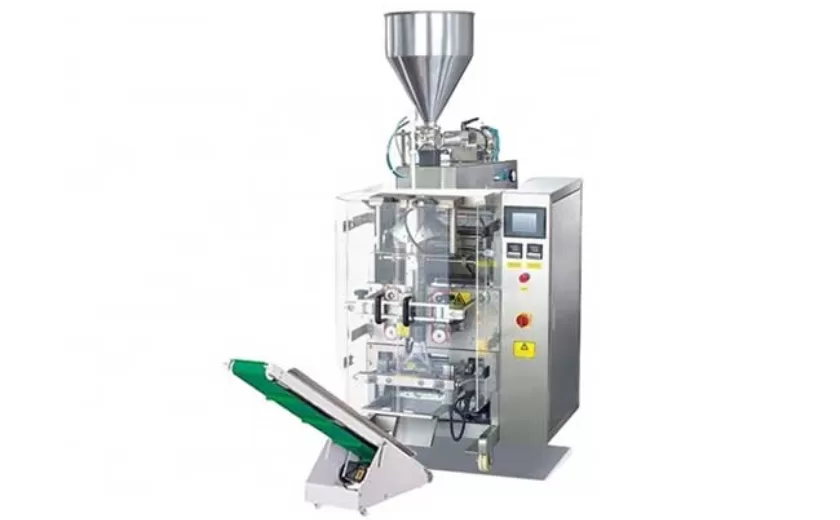
Advanced Packing Solutions: Snacks, Sugar, and Frozen Food Machines
29-10-2025 -
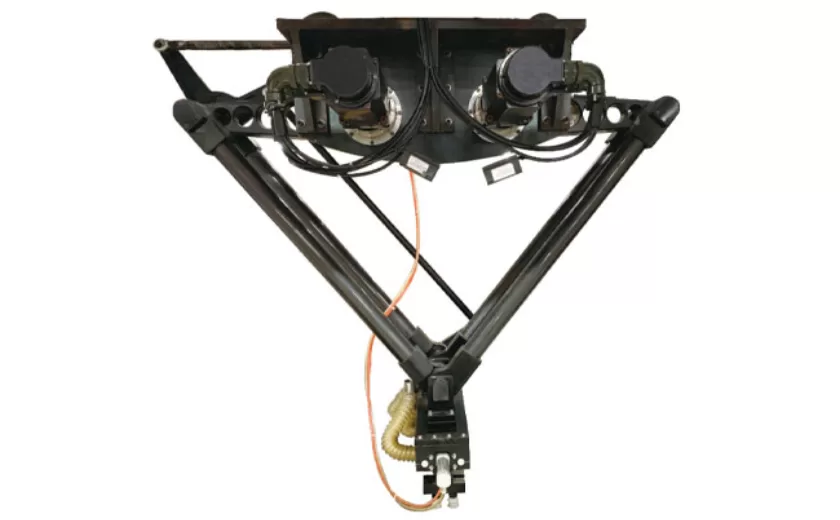
Efficient and Reliable Solutions for Salt, Nuts, and Frozen Dumplings Packing
29-10-2025 -
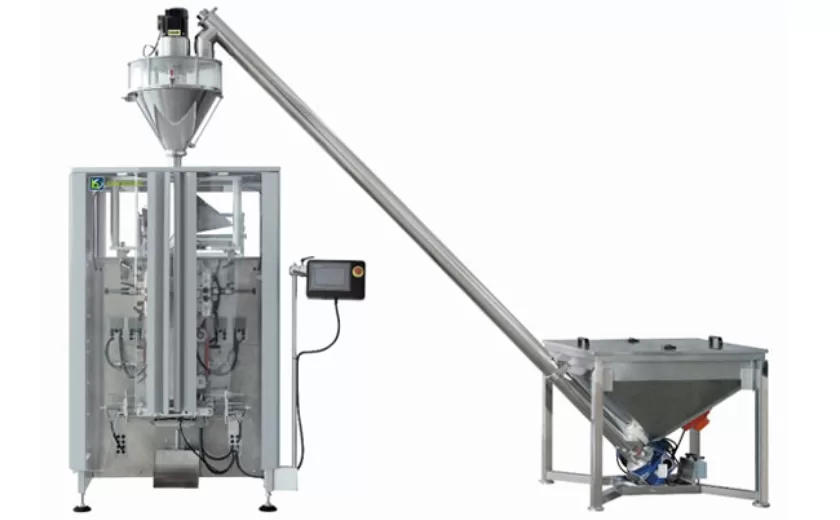
High-Performance Biscuits, Lollipop, and Ketchup Packing Machines for Modern Food Production
29-10-2025 -
Efficient Liquid Filling and Packing Machines for Modern Production
23-10-2025 -
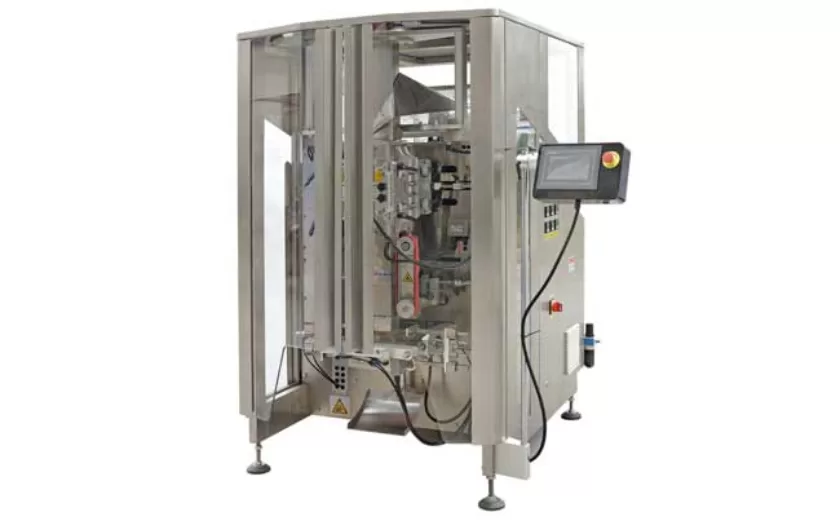
Reliable Granule Packaging Machines for Efficient Production
23-10-2025
